read Japanese Audiobooks
Tagged, themed, and author-focused Japanese books updated constantly for your next listening session.
Book list


Daily News
A briefing of yesterday's news from Japan, updated every day before 8 a.m., to keep up with yesterday's policies and news related to Japan.
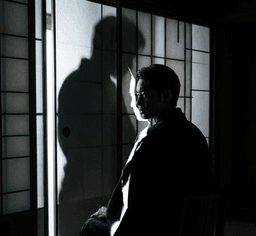
Light and Darkness
Starting from the ordinary life of the Tsuda couple, the novel digs into the egoism deep in the modern heart. With extremely delicate psychological description, it analyzes the emotional struggles behind marriage, vanity and pride, showing the shadows and struggles of human nature, and is hailed as the pinnacle of modern Japanese psychological novels.
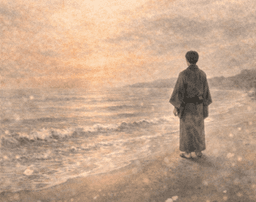
Kokoro
A young man, "I", meets a mysterious, aloof "Sensei" at the seaside. The novel tells how trust breaks down, how morality and desire collide, how guilt and self-punishment consume a person, and how, in an age when the old ethics are collapsing and the modern individual is being born, the human spirit has nowhere to rest.

Grass on the Wayside
Natsume Sōseki's only autobiographical novel. Its protagonist Kenzō, back from studying in England, is caught in money disputes, demands from relatives and a cold marriage, deeply exposing the loneliness and spiritual predicament of the modern intellectual. Cool and realistic, it shows the helplessness and disillusionment of life, and is Sōseki's late masterpiece, stripped of ideals and dissecting the self.
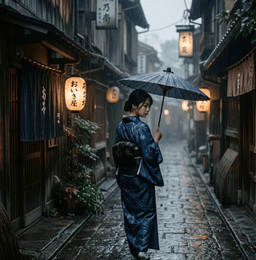
Temptation
In this atmospheric tale by Ryunosuke Akutagawa, a monkey’s mischievous antics on a Portuguese ship lead to violent chaos and an unexpected transformation. Blending historical detail with supernatural elements, the story unfolds against the backdrop of early modern Japan’s coastal encounters with foreign sailors.
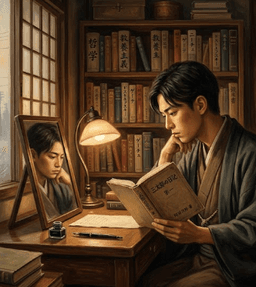
Sabitaro's Diary Part Three
In this third volume of his diary, the protagonist engages in a profound internal dialogue about the ethics and aesthetics of self-disclosure. He wrestles with the tension between preserving personal dignity and the artistic imperative to expose the raw truth of his inner life without shame or concealment. This introspective narrative captures the struggle to present one’s existence authentically before both friends and critics.
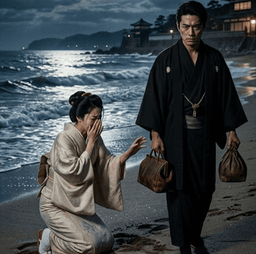
The Golden Demon
Omiya betrays her engagement out of greed for wealth and marries the son of a banker; Kan'ichi, devastated, comes to hate money, abandons his studies and becomes a ruthless moneylender, the "Golden Demon". Through these two mismatched lives, the work exposes how, with the rise of capitalism after the Meiji Restoration, money-worship crushed pure feeling and distorted human nature.

Pandora's Box
From the viewpoint of a young man with tuberculosis at the "Health Dojo" sanatorium, the work records in letters his reflections and emotional ups and downs in postwar Japan's period of transition. Borrowing the Greek myth, Dazai conveys that even in a postwar abyss of despair, "hope" remains at the bottom of the box.
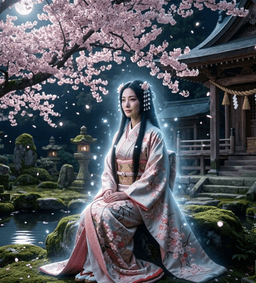
The Tale of Princess Kozakura
This unique work presents a tale dictated by the spirit of O-sakura-hime, a woman from the Kamakura period, through the mediumship of Mrs. T and transcribed by the late author Asano Wazaburo. Blending spiritualism with historical narrative, the book stands as a pioneering example of Japanese psychical research and a testament to Asano’s lifelong dedication to the field.
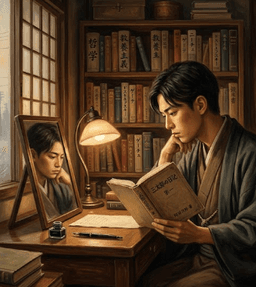
Saburo's Diary Part Two
In this philosophical essay, Jiro Abe challenges the utilitarian notion that ideas lacking immediate practical application are worthless. He argues that thought is an intrinsic force that shapes character and worldview, asserting that even abstract disciplines like mathematics and art hold profound value beyond mere material utility. Through a rigorous examination of the relationship between contemplation and action, Abe defends the dignity of inner life against shallow pragmatism.
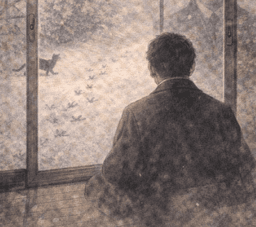
Inside My Glass Doors
Looking at the outside world through the "glass sliding doors" of his study, Natsume Sōseki quietly talks about life and society as moods and everyday triggers come to him: from scenes outside the window, daily trivia and small details of dealing with people to thoughts on fame, literature, society, human nature, illness and a sense of death.
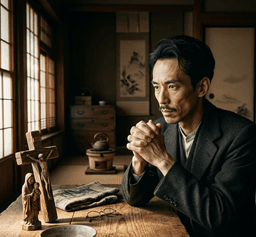
The Westerner
In this introspective essay, Ryūnosuke Akutagawa reimagines the figure of Christ through a distinctly Japanese lens, shifting the sacred narrative from Galilee to the persimmon trees and bays of Nagasaki. Rejecting rigid historical facts in favor of personal spiritual experience, he explores Mary as an embodiment of eternal protection and the Holy Spirit as a transcendent force beyond good and evil.